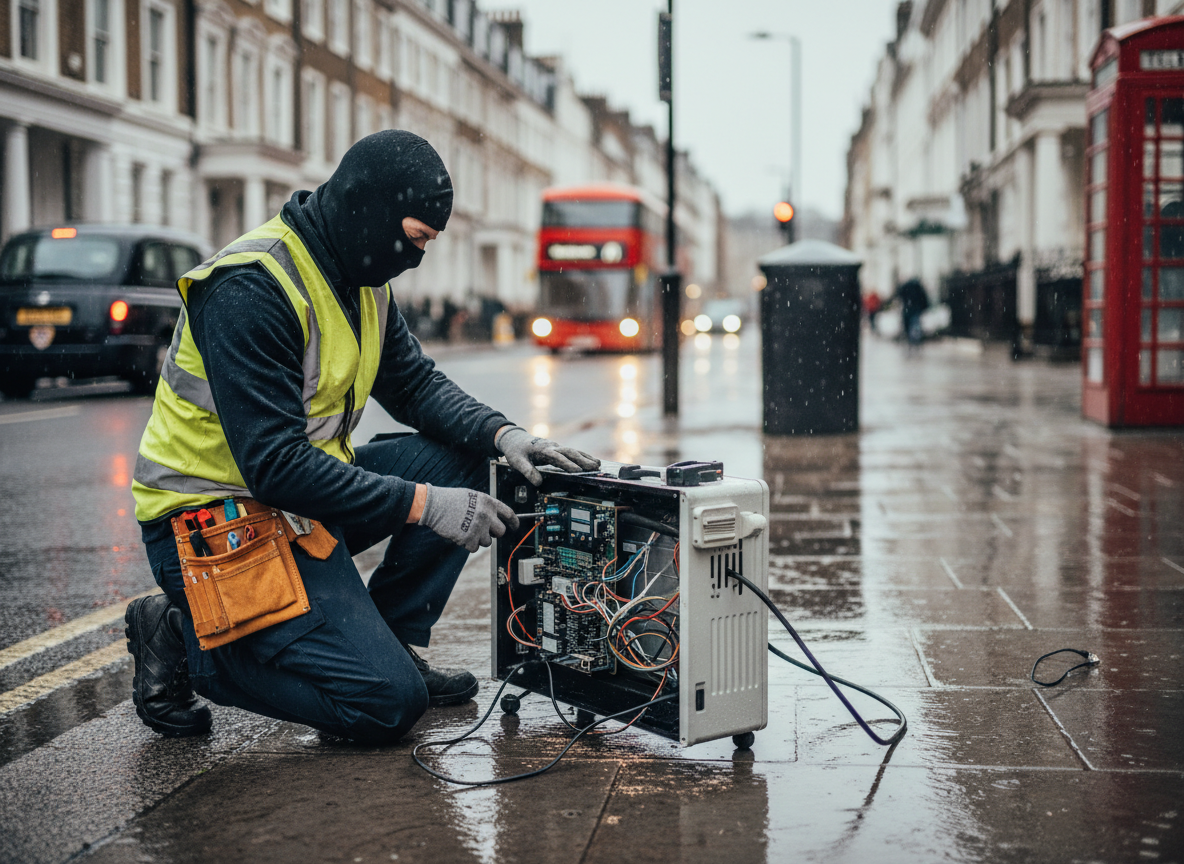
Electric radiators in London properties often fail during cold snaps when Victorian terrace wiring or post-war flat circuits cannot handle sustained loads. Damp from the Thames corridor corrodes connections inside older column radiators, creating hot spots that trip breakers without warning. Our teams carry replacement elements, thermostats and high-temperature cabling rated for the city’s typical 230V supply so repairs can be completed on the first visit even in properties where access panels sit behind fitted kitchens in areas such as Canary Wharf and Shoreditch.
Modern electric radiators installed in new-build apartments around the Royal Docks use slimline aluminium bodies with electronic controls that fail when power surges occur during evening peak demand. We isolate the circuit at the consumer unit first, then test resistance across the element and thermostat before deciding whether a board-level repair or full unit swap is required. This prevents repeated call-outs that occur when homeowners simply reset the trip without addressing the underlying fault.
Emergency repairs in multi-storey buildings common to the Isle of Dogs frequently involve working around listed building constraints that limit surface trunking. We use existing conduit routes and fire-rated grommets to maintain compliance while restoring heat quickly. Every job includes a visual inspection of the surrounding wiring for signs of overheating, because London’s older stock often has aluminium tails that become brittle and require upgrading at the same time as the radiator repair.
Technician insight
In London, the thing that catches most people out with emergency electric radiator repair is the mix of 1960s ring circuits and modern smart controls in the same flat. One tripped breaker can mask a failed element until the whole board is checked, especially in Docklands blocks where damp from the river has already started corroding the tails behind the consumer unit.
Failed radiator in Canary Wharf apartment
A top-floor flat in a 2008 development lost heat on the coldest night of January. We isolated the circuit, found the element had shorted to the casing because of condensation tracking down the supply cable. The thermostat was still calling for power, so we replaced both the element and the damaged cable run inside existing conduit, restoring full output before morning.
How it works
- 1
Call and Dispatch
Phone our 24/7 line; we log the postcode and symptoms then send the nearest van from our Canary Wharf base.
- 2
Isolate and Diagnose
We turn off the circuit at the consumer unit, remove the radiator cover and test element resistance plus thermostat operation.
- 3
Repair or Replace
Faulty parts are swapped on site using stock elements and controls; full unit replacement is completed if the body is corroded.
- 4
Test and Handover
We restore power, verify even heat output, reset any tripped breakers and leave a written summary of work done.
Pricing
Upfront quote given on site after diagnosis; rates reflect time of day, access difficulty and parts required.